Sustainability

First Expired, First Out | Fight Food Waste Like a Pro

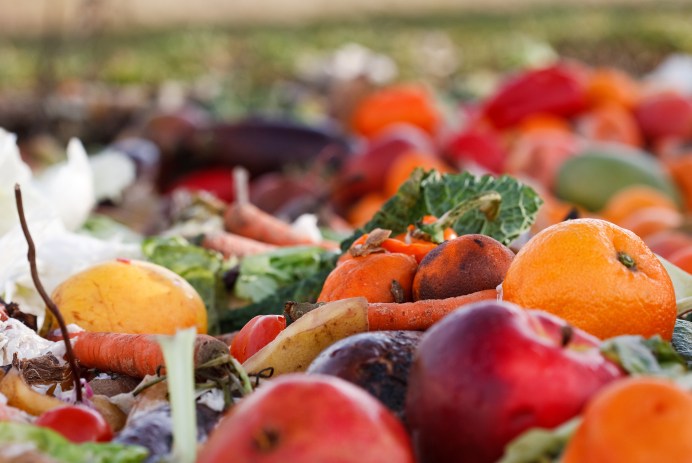
Published on FoodUnfolded.com in October 2021. Have you ever stood in front of a well-stocked kitchen cupboard wondering what you should cook for dinner? Incorporating a nifty stock rotation technique adapted from professional kitchens into your meal planning could help you cut down on food waste while ensuring food safety. First Expired, First Out (FEFO) […]

Read more

Education, Sustainability

What Happens to Food that is Wasted?

Workshop In September 2020, I was invited to conduct a workshop on food waste valorisation for students at Maastricht University’s University College Venlo. The interactive workshop addressed how the food industry deals with its by-streams, current EU policy on the subject, and changes expected in the near future.

Read more
Sustainability

Can Pigs Help Reduce Food Waste?

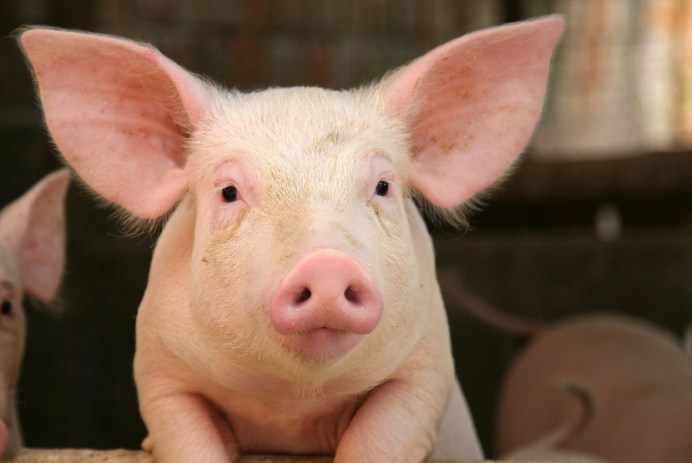
Originally published on Foodunfolded.com in September 2020. Pigs are nature’s ultimate recycling heroes. What is considered inedible by most other animals is often a scrumptious meal for pigs. After following some safety precautions, this superpower of theirs can be used to reduce the amount of food that ends up as waste. Around 30% of all […]

Read more
Sustainability

Organic Wine

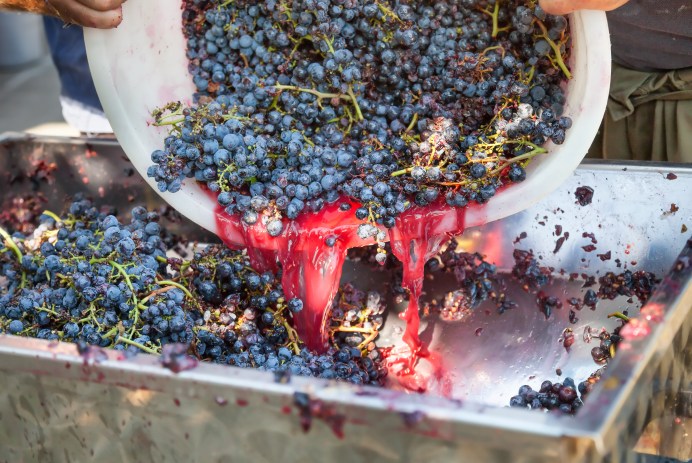
Originally posted on Eufic.org in January 2019. Until recently, wine could only be labelled as ‘made of organic grapes’. However, after a new legislation was implemented in 2012 within the EU, it is possible to label wine as an organic food product.1 Organic wine, however, still remains a niche product on the European market. The ORWINE […]

Read more
Sustainability

Organic Animal-Based Foods

Originally published on Eufic.org in January 2019. Organic food production is often associated with plant-based foods. However, EU legislation also provides detailed guidelines on the production of organic animal-based foods. Meat, fish, milk, eggs, honey, and other products sourced from such animals are considered organic. Breeding and raising organic animals To be called organic, animals have to […]

Read more
Sustainability

Problems with Palm Oil | Cost of Production

Originally published on Foodunfolded.com in May 2020. When the food industry started using palm oil on a large scale in the 1990s, it was meant to be a healthy alternative to animal-derived fats like butter and tallow. Today, palm oil is often synonymous with environmental and ethical issues resulting from intensive production in parts of […]

Read more
Sustainability

Organic Plant-Based Food

Originally published on Eufic.org in January 2019. Of all the organic foods available on the market, plant-based foods are the most well-known and recognised by consumers. Fruits, vegetables, cereals, grains, nuts, mushroom and seaweed, among others, can all fall under the category of organic foods, but they can only be called organic when produced according […]

Read more
Sustainability

Organic Food Legislation – Should We Trust the Logo?

Originally published on Eufic.org in January 2019. The EU organic logo, while being well recognised by consumers, does not inspire a high degree of trust, as shown by research carried out by the EU-funded project Strength2Food.1 This lack of trust is largely due to poor knowledge on how the organic production system works. This article answers some questions about how […]

Read more
Sustainability

Organic Food Production – How is it Regulated?

Originally published on Eufic.org in January 2019. Organic refers to the way farmers grow and process agricultural products. Practices vary worldwide; however, organic foods are generally grown without synthetic pesticides, fertilisers or routine use of antibiotics or growth hormones. This article explains the regulation of organic food production, based on the two main legal frameworks in EU […]

Read more