Written for eufic.org. Published in August 2024.
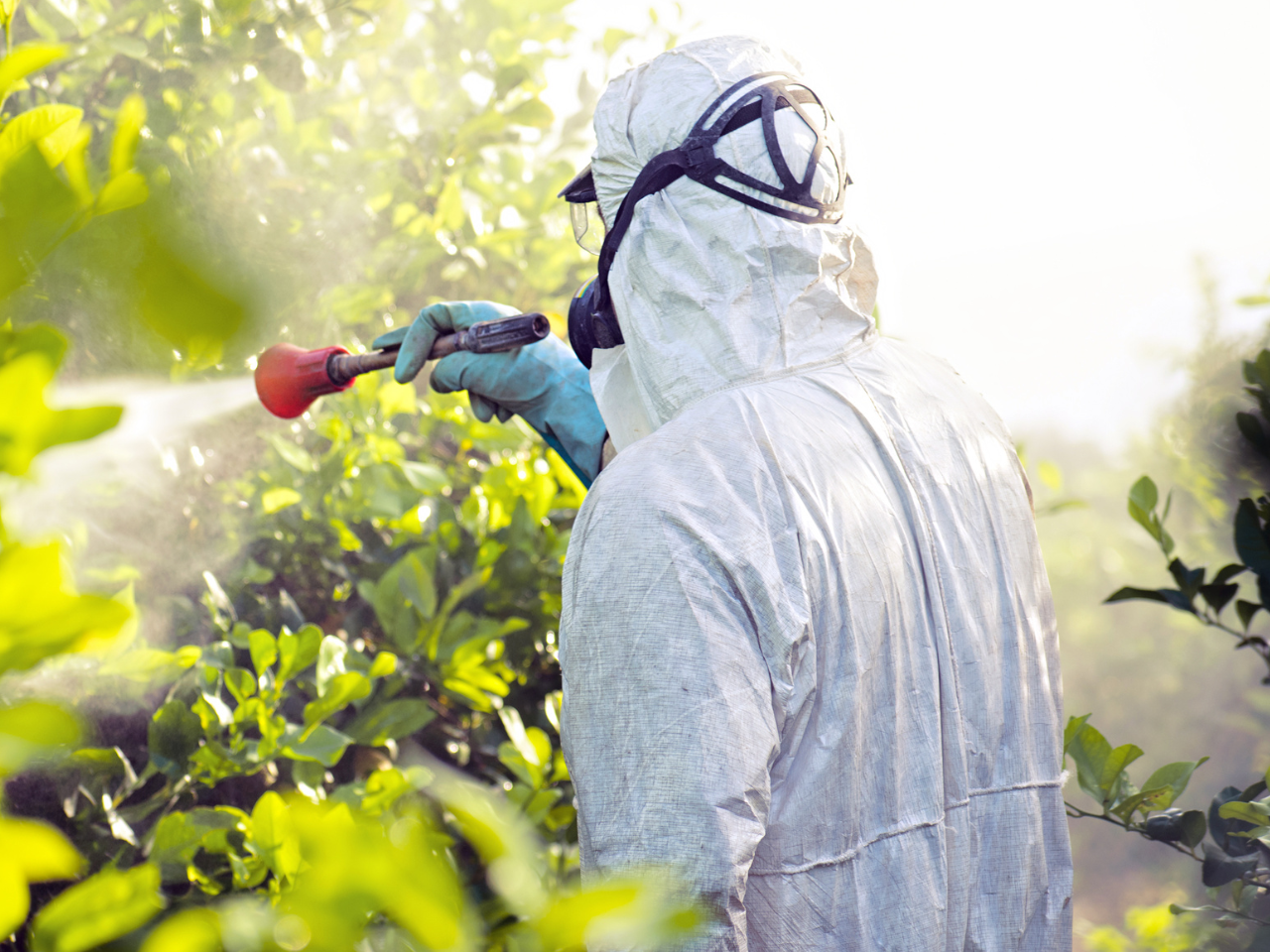
As the population grows and agricultural land remains limited, it is important to ensure that farms are as productive as they can be. In modern agriculture, pesticides are critical for the productivity of farming systems and for safeguarding consumers from the ill effects of pest-damaged foods. However, if used in excess or incorrectly, their residues can end up on our plates and negatively impact our health. This article will explore what pesticides are and whether they are a cause for concern.
What are pesticides?
Pesticides, frequently referred to as plant protection products, are a broad category of chemicals that are used to control, repel, or eliminate pests. Pesticides play a key role in modern agriculture, contributing to the increase in yields that has been achieved in recent decades for most major cereal, fruit and vegetable crops. The use of pesticides has also allowed growers to produce crops in otherwise unsuitable locations and to extend growing seasons while maintaining product quality.
Pesticides encompass a wide range of products including herbicides, insecticides, fungicides, and more, depending on the target organism. Herbicides, a subset of pesticides, are specifically formulated to kill or prevent the growth of unwanted plants or weeds. Insecticides, another key group within the pesticide family, are used for controlling or eradicating insects that pose threats to crops, agricultural infrastructure, or human and animal health. Pesticides typically have two main components: an active ingredient that targets and kills pests, and inert ingredients, which make up the majority of the product.1 These inert ingredients can include solvents, substances that help the active ingredient

 Madhura Rao